Planning a Casual Evening at an Irish Pub in NYC
There is a particular kind of New York night that does not need a reservation at a tasting menu restaurant, a rooftop dress code, or a week of scheduling. It starts with a text around five o’clock, sharpens into a loose plan by six, and lands naturally at an Irish pub by seven-thirty. The appeal is obvious to anyone who has spent time in the city. You want somewhere lively but not theatrical, reliable without feeling generic, and social without forcing the evening into a rigid script. A good Irish pub NYC regulars actually return to offers exactly that balance.
The phrase “casual evening” can be misleading in New York, because even simple plans have friction. Subways run late, neighborhoods fill up fast, and one person always says they are ten minutes away when they are still in the shower. The reason Irish pubs work so well is that they absorb a little chaos. They are built for staggered arrivals, changing headcounts, long conversations, and the kind of menu where nobody panics if they missed dinner. That flexibility matters more than people admit.
Planning the evening well is less about overengineering it and more about making a handful of smart choices early. Pick the right neighborhood, understand the rhythm of the pub, know what kind of food and drink experience you want, and set expectations with your group before everyone starts drifting. Do that, and the night tends to take care of itself.
Start with the neighborhood, not the pub
A common mistake is choosing a specific place too early, then discovering it is perfect for one person and inconvenient for four others. In a city this large, geography shapes mood. If the group is split between Brooklyn, Queens, and Manhattan, the “best” pub on paper can become the worst choice if two people face an hour home.
For a truly casual evening, think in terms of neighborhood energy first. Midtown works when the group is meeting after work and wants a quick transition from office to pint. It is practical, easy to reach, and full of old-school pubs that know how to handle crowds. The trade-off is that some Midtown spots feel more transactional, especially on weeknights around major transit hubs. You may get convenience, but not always intimacy.
The West Village and Greenwich Village suit a slower, more conversational night. Streets are walkable, there is enough foot traffic to keep the atmosphere lively, and the pubs often feel less hurried. You can meet for one drink and easily turn it into dinner, then maybe another round somewhere nearby. The downside is popularity. On Thursday through Saturday, small rooms fill quickly, and what looked cozy online can become shoulder-to-shoulder by eight.
The Financial District can be surprisingly good earlier in the week. It has a strong pub culture, especially in older buildings with deep bars and wood interiors that feel grounded in a way newer concepts rarely do. Yet timing matters. Arrive too late on certain nights and the post-work rush has already claimed every decent standing spot.
Hell’s Kitchen, the Upper East Side, and the Upper West Side each have solid options if your group values consistency over scene-chasing. In those areas, the pubs often serve local regulars alongside visitors, and that tends to produce a more relaxed tone. You are less likely to feel like everyone is there to perform a night out for social media.
When I help people choose a meeting point for a casual pub night, I usually suggest a place no more than fifteen minutes from the slowest traveler’s final train connection. It sounds minor, but in practice it keeps the evening from thinning out too early. People stay longer when getting home does not feel like a second job.
Know what kind of Irish pub you actually want
Not every Irish pub is aiming for the same experience. That matters in New York, where the label can cover everything from a family-owned corner pub with excellent shepherd’s pie to a high-volume sports bar draped in Celtic decor.
Some pubs are built for conversation. Lighting is warmer, music stays in the background, and the room encourages people to settle in. If the goal is catching up with friends, talking through work drama, or introducing people who have never met, this is the right move. You want booths if possible, or at least a bar area where voices do not bounce off every hard surface.
Others are built for momentum. There are televisions over the bar, the Guinness moves fast, and the room gets louder as the night builds. That can be ideal if the group wants energy without committing to a full nightclub atmosphere. It is still casual, just not quiet. There is a difference between a pub where you can hear the bartender explain the whiskey list and one where you need to lean in for every sentence. Neither is wrong. They just create different evenings.
Food is another dividing line. Some places treat food as backup, useful if people are hungry but not memorable. Others take the kitchen seriously, with proper fish and chips, bangers and mash, soda bread, a strong burger, or a steak sandwich that becomes the reason people suggest returning. In New York, where drinks add up quickly, a pub with strong food can make the evening feel better balanced and far less expensive than bar-hopping on an empty stomach.
A useful test is to scan recent menu photos and room photos before you commit. Not to judge aesthetics too harshly, but to get a sense of how the space functions. A pub with a dozen screens and standing drink rails telegraphs one kind of night. A pub with snug corners, dark wood, and a menu people actually photograph tells you something else.
Timing changes everything
The same pub can feel entirely different at 5:30, 7:15, and 9:45. If you want a genuinely casual evening, the easiest win is arriving earlier than the city’s emotional rush hour.
Between five and six-thirty, many pubs are in their most forgiving phase. You can claim a good table, order food without delay, and let the group assemble in stages. The first arrivals can settle in without the pressure of defending four square feet of standing room against the crowd. If someone is running late, it does not derail the evening.
By seven-thirty, especially on Thursday and Friday, even a dependable Irish pub NYC workers know well can swing into high gear. This is not necessarily bad. Sometimes the room becoming louder is exactly what the night needs. But if your vision involves relaxed conversation, shared appetizers, and no strategic hovering for seats, earlier is better.
Late-night pub plans have their own charm, particularly after a show or another event, though they work best when the group accepts the limitations. Kitchen hours may be narrower than expected, quieter corners disappear, and service can slow if the room is slammed. That is fine for one more pint and a plate of fries, less fine if half the group is counting on a full dinner at ten-thirty.
A practical approach is to give two times in the group chat: the real start and the socially acceptable lag. Tell people you are getting there at 6:30, food order around 7:00. That creates enough structure for hungry people without turning the evening into a military operation.
Set the tone in the group chat before anyone leaves home
Most pub nights go wrong before anyone arrives. Not dramatically, just in small mismatches of expectation. One person thinks it is a quick drink. Another treats it as dinner. A third invites a date. Someone else assumes there will be live music. By the time you are all standing under a television showing a soccer match, it becomes clear that nobody pictured the same night.
You can prevent most of that with a few plain details. Mention the neighborhood, the likely price range, whether people should expect to eat, and whether the place is more conversation-friendly or game-day lively. This is especially important in New York, where people guard their time and energy closely. The clearer the frame, the smoother the evening.
A message as simple as this works well: “Thinking Irish pub in the West Village, easy dinner and a couple pints, not too loud if we get there by 6:45.” Everyone now understands what they are agreeing to. If someone wants a full-on party, they can suggest a later stop rather than hijacking the first location.
If your group is larger than six, mention that too. At that size, the difference between “casual” and “logistically annoying” becomes real. Some pubs handle groups beautifully, others become cramped and frustrating. New York hospitality staff can usually work with a flexible, polite group, but they cannot invent square footage.
Food matters more than people think
A proper pub evening rarely improves when everyone is drinking on an empty stomach. The smartest casual plans leave room for real food, not just emergency bar snacks. This does not mean turning the outing into a formal dinner. It means choosing a place where ordering a few substantial plates feels natural.
Irish pub menus in NYC can range from basic to excellent. The classics are popular for a reason. Shepherd’s pie, fish and chips, curry fries, Scotch eggs, a well-made burger, or a hearty stew can stabilize the night without slowing it down. Shared starters help if the group arrives in waves, but there is also something reassuring about each person getting a plate that can hold them through a few rounds.
If you are hosting out-of-town guests, pub food can be a pleasant surprise. Visitors often expect Irish pubs to be all atmosphere and little substance. When the kitchen is good, it gives the night weight. People linger longer, order that second drink more thoughtfully, and stop treating the evening like a stopgap before some “real” destination.
There is also a budget advantage. In New York, adding even modest food often keeps the total spend more reasonable than bouncing between bars and then impulse-ordering late-night delivery. A few appetizers and mains can save the group from the expensive spiral that starts with “just one more round” and ends with twenty-eight dollar noodles eaten over the sink at midnight.
Drinks, pace, and reading the room
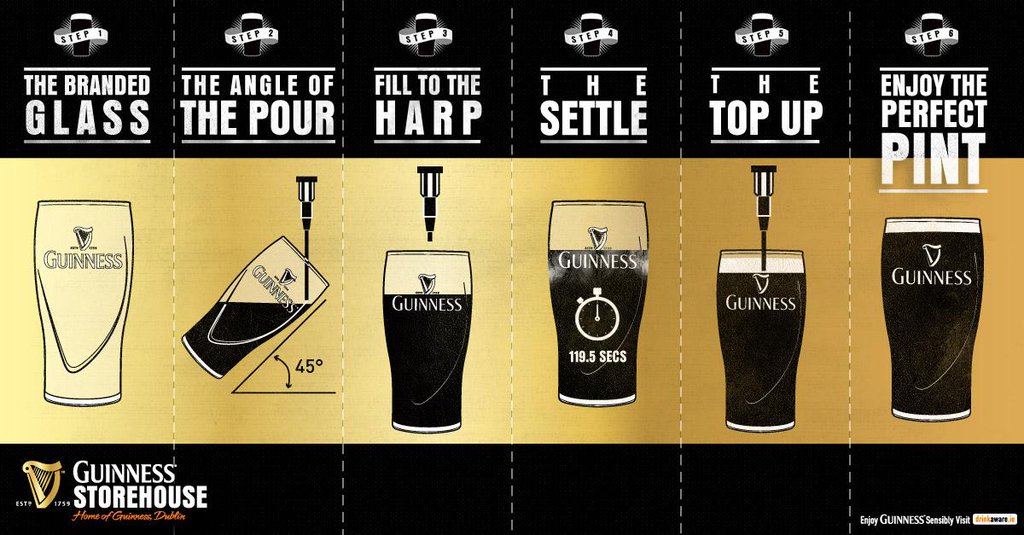
A casual pub night should feel unforced, which means pace matters. Good Irish pubs are excellent at giving people options without making them feel precious about it. Guinness is the obvious standard, and in the right place it is worth ordering. There is a reason people care about whether a pub pours it properly. A well-kept pint changes the whole impression of the evening. Beyond that, you will usually find solid lagers, ciders, whiskey, and enough mixed drinks for the friend who never really wanted beer in the first place.
The trick is not to turn drink ordering into performance. One of the strengths of a pub is that it removes decision fatigue. People can settle into familiar choices, which frees up attention for conversation. That is a major part of why pub nights work so well after a long day in the city. Nobody wants to decode a cocktail menu full of house infusions and literary references when they just need to exhale.
If the group includes both fast and slow drinkers, it helps to avoid the ritual of synchronized rounds after the first one. Rounds sound communal, but they can create weird pressure, especially when one person is halfway through a stout and another has already moved on. Let the first order bring everyone together, then loosen the structure.
Bartenders notice groups that respect the rhythm of the room. If the place is crowded, order clearly, tip fairly, and do not block service lanes while debating what counts as an Irish whiskey. That kind of basic awareness buys goodwill, and goodwill often translates into better attention when you want one more plate of fries or need help finding space for a late-arriving friend.
If you want seats, be realistic
Seating is the quiet power struggle of New York nightlife. People pretend they do not care, then spend the first forty minutes scanning the room like hawks. In an Irish pub, seats affect everything. Standing can work for one or two pints, especially in a lively room, but if the group plans to eat or stay more than an hour, some kind of seating arrangement matters.
For a pair or trio, flexibility solves most problems. For four to six, timing solves them. For anything above that, communication with the venue becomes wise. Not always a formal reservation, because many pubs either do not take them for small groups or keep sections loosely managed, but at least a phone call. Ask the practical questions. Do they save tables at all? Is there a quieter window early in the evening? Is there a back room, upstairs section, or long table that opens up before the crowd hits?
This is one area where experience beats optimism. A group of eight saying “we’ll figure it out” in a busy Manhattan pub at 8:15 on a Friday usually means splintering into awkward clusters. That can still be fun, but it is not the same as a shared evening.
A simple planning checklist helps here:
- Choose a neighborhood everyone can reach without resentment.
- Decide whether the night is drink-first, dinner-first, or evenly split.
- Arrive early enough to claim space before the crowd peaks.
- Tell the group what kind of atmosphere to expect.
- Have one backup pub within a ten-minute walk.
That last point saves more nights than people realize. In New York, backup options are not pessimism. They are professionalism.
Small details that make the night smoother
The best pub evenings often hinge on details so ordinary that nobody names them. Coat space in winter matters. So does whether the restroom line is manageable, whether the music becomes oppressive after nine, and whether the menu can satisfy the vegetarian who said “I’m easy” but definitely is not. None of these issues are glamorous, but each one can shift the evening from easygoing to mildly irritating.
Noise level deserves more attention than it gets. Many people say they want lively, when what they really mean is not dead. Those are different things. A pub with a hum of conversation, a little laughter, and maybe a game on in the background can be ideal. A pub where every sentence requires repeating tends to shorten the night, especially for mixed groups who are still getting to know each other.
Lighting matters too. Bright enough to read the menu, dim enough to flatter everyone, is still the gold standard. Overlit rooms can feel like cafeterias, while excessively dark ones create their own kind of fatigue. Older pubs often get this balance right almost by instinct.
Service style should match the evening. Some of the best pub staff in the city are brisk rather than chatty, and that is often a virtue. You do not need a long monologue about the draft list. You need your drinks, a decent sense of timing, and confidence that if the kitchen is running behind, someone will tell you honestly.
Planning for different kinds of company
Not every casual evening serves the same purpose. A pub night with close friends can absorb almost any imperfection. A pub night with colleagues, visiting family, or a date requires a bit more judgment.
For work friends, lean toward places where conversation is easy and the menu is broad. You want enough atmosphere to feel off-duty, but not so much intensity that junior staff feel trapped in an accidental office social. Booths or a long table help here because they keep the group together and reduce that awkward circulation where people keep shifting alliances every ten minutes.
For family, especially visitors, choose comfort over trend. They are more likely to remember warm hospitality, a good pie, and the general feeling of New York around them than any supposedly hot address. A pub near a pleasant walk, perhaps after seeing holiday lights, a downtown waterfront, or a neighborhood stroll, can become the whole memory of the night.
For dates, Irish pubs can be underrated. The setting is familiar, low pressure, and honest. You can hear each other, there is enough movement around you to avoid dead air feeling exposed, and if things go well, a second stop is easy. The only caution is to avoid places so crowded that the date becomes a contest for elbow room.
When a casual evening turns into a longer night
One of the pleasures of a good pub plan is that it can expand naturally. If the group is clicking, you might stay for dessert, switch from beer to whiskey, or wander to another nearby spot. This is where choosing the right neighborhood pays off. In areas like the West Village or around Union Square and Gramercy, the pub can be the anchor rather than the full itinerary. You are free https://dominickvfzs392.lucialpiazzale.com/finding-community-at-your-favorite-irish-pub-in-nyc to build from there without pressure.
If you think the night may continue, it helps to decide whether the pub should be the high point or the launch point. Those are different jobs. A launch-point pub should be easy, central, and not too precious. A high-point pub should be the place with the strongest atmosphere, best food, or best pints, where you are happy even if the evening never moves on.
The best nights usually leave that question open for the first hour. If everyone is comfortable, fed, and enjoying the room, there is no prize for leaving too soon.
A few habits worth keeping
Over time, people who plan good pub evenings tend to repeat the same practices because they work:
- They choose reliability over novelty when the group matters more than the venue.
- They avoid peak hours unless the crowd is part of the plan.
- They make peace with the fact that no NYC bar satisfies every preference at once.
- They order food before people become too hungry to be pleasant.
- They treat staff well, especially when the room is busy.
Those habits sound simple, but they are the difference between a night that feels effortless and one that feels improvised in the wrong way.
A casual evening at an Irish pub in NYC should not feel like an achievement. That is precisely the point. It should feel easy, warm, and slightly better than everyone expected when they first agreed to meet. The room should hold a bit of noise and a bit of history. The drinks should arrive without drama. The food should steady the pace. People should be able to come late, stay longer, and leave satisfied without needing the night to become anything larger.
When you get the planning right, the pub does the rest. New York offers endless options, but not every option knows how to host an ordinary evening well. A good Irish pub does. That is why people keep returning to them, not just for big celebrations or game days, but for the far more common and useful need to meet, eat, talk, and let the city soften around the edges for a few hours.
Hibernia Bar
401 W 50th St
New York, NY 10019, United States
Phone: +1 212-969-9703
FAQ About Irish Pub NYC
What is the best Irish pub in NYC?
The best choice depends on your location and preferred atmosphere. Hibernia Bar is a neighborhood Irish pub in Hell's Kitchen offering Guinness, Irish whiskey, pub food, and sports viewing.
Where do Irish people go in NYC?
New York's Irish community gathers in many neighborhoods and venues. Hibernia Bar welcomes Irish expats, local residents, and visitors at 401 W 50th St, just off Ninth Avenue.
Where can I watch GAA games in New York?
Hibernia Bar lists GAA among the sports it shows. Call +1 212-969-9703 to confirm coverage and opening times for a particular match before visiting.
What is the difference between a bar and a sports bar?
A sports bar emphasizes televised games and a shared viewing atmosphere. Hibernia combines sports viewing with the food, drinks, and hospitality of a neighborhood Irish pub.